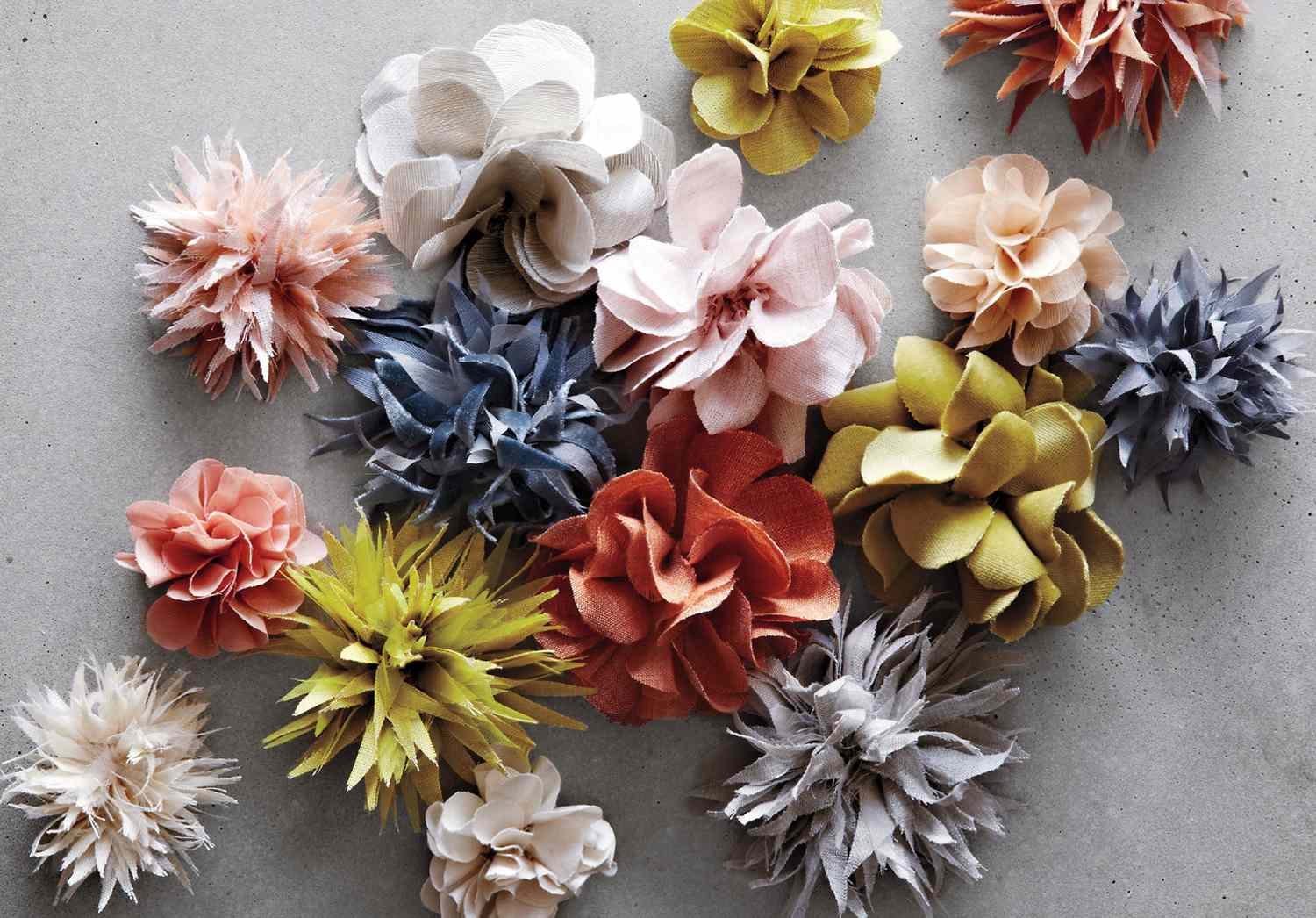
Crafting and sustainability pair naturally: both privilege making over mindless buying, and both reward resourcefulness. As environmental concerns grow, craft communities are shifting toward greener practices — choosing low-impact materials, reusing found objects, and designing for longevity. This article covers eco-friendly materials, upcycling techniques, practical project ideas, and tips for making your craft practice kinder to the planet.
The case for sustainable crafting
Traditional crafting can still generate waste — single-use packaging, synthetic fibers, and harmful finishes. Sustainable crafting reduces that footprint by selecting responsible materials, minimizing waste, and designing items to last. Choosing sustainability not only benefits the environment but often improves the quality and story behind your creations — hand-stitched, naturally dyed, or reclaimed materials carry character and ethics.
Eco-friendly materials to know
-
Natural fibers: Cotton (preferably organic), linen, hemp, wool, and silk biodegrade and are often more durable than synthetics.
-
Recycled fibers: Yarn, fabric, and paper made from recycled sources reduce the need for virgin resources.
-
Low-impact dyes: Plant-based dyes (indigo, madder, walnut) and fiber-reactive low-impact dyes offer vibrant color with less toxic runoff.
-
Sustainably sourced wood: Look for FSC-certified wood or reclaimed timber for woodworking.
-
Plant-based and biodegradable glues: For paper crafts and bookbinding, use adhesives with lower VOCs or animal-based glues when appropriate.
-
Beeswax and soy wax: Natural alternatives for candles versus paraffin (a petroleum product).
-
Natural finishes: Linseed oil, tung oil, and shellac are less toxic than many commercial varnishes.
Upcycling — the creative heart of sustainable craft
Upcycling is transforming an old or discarded item into something of higher value. It’s a powerful way to reduce waste and unlock unique aesthetics. Examples:
-
Clothing to accessories: Turn old shirts into tote bags, patchwork quilts, or braided rugs.
-
Glass jars: Repurpose as storage, luminaries, or small planters.
-
Furniture refresh: Sand and re-finish rather than replace; new upholstery can revive a chair.
-
Paper waste: Transform used envelopes, gift wrap, or magazines into handmade paper, collages, or book covers.
Upcycling encourages you to see potential in what others discard — and that mindset is itself sustainable.
Practical project ideas (with eco focus)
-
Beeswax wraps (starter project)
Materials: cotton scraps, beeswax pastilles, jojoba oil (optional). Melt wax, brush onto fabric, bake briefly, and create reusable food covers that replace plastic wrap. -
T-shirt yarn basket
Materials: old cotton T-shirts, basic crochet or braiding skills. Cut shirts into strips, twist or braid into a thick cord, then crochet or coil into baskets for storage. -
Reclaimed-wood shelf
Materials: salvaged wood, basic hand tools, natural finish. Sand, cut to length, and mount for a rustic shelf—perfect for saving wood from landfill. -
Upcycled denim pouch
Materials: old jeans, zipper, basic sewing tools. Use the sturdy denim for a small pouch, adding a lining from another fabric scrap. -
Natural-dye scarf
Materials: natural fiber scarf, onion skins or turmeric for color, mordant like alum. Simmer plant material to extract dye and immerse the scarf for earthy hues.
Reducing waste and energy in your craft practice
-
Plan before you cut: Layout patterns to minimize fabric scraps.
-
Save and reuse scraps: Store tiny pieces for patchwork, stuffing, or applique.
-
Buy thoughtfully: Purchase only what you need or choose bulk suppliers with minimal packaging.
-
Repair and mend: Learn visible mending techniques — darning, sashiko — to extend clothes’ lives and add beauty.
-
Avoid single-use tools: Invest in durable tools rather than cheap disposables.
Ethical sourcing and transparency
Sustainability includes social responsibility. When buying materials, consider: Are fibers farmed fairly? Is the wood legally sourced? For finished goods, transparency about sourcing builds trust with customers and fellow makers. Small actions — labeling materials, listing care instructions, or noting where you sourced your supplies — communicate values and encourage more sustainable buying.
Selling sustainably
If you sell your crafts, sustainability can be a selling point — but be honest. Avoid greenwashing (making misleading claims). Provide exact material lists, care instructions to prolong product life, and options for repair. Encourage customers to return broken items for repair or recycling, and consider carbon offsets for shipping if you ship widely.
Community initiatives and sharing resources
Sustainable crafting flourishes in community. Swap nights, repair cafes, and tool libraries reduce individual consumption and build knowledge. Share dye vats, sewing machines, or woodworking tools in co-ops. Teach a friend to mend; trade supplies; or organize a local clothing swap.
Final thoughts
Sustainable crafting is both a creative choice and an ethical stance. It asks us to be more intentional about the materials we use, the waste we produce, and the objects we value. By choosing natural and recycled materials, upcycling what we have, and supporting transparent, ethical supply chains, makers can reduce environmental impact and create work that’s beautiful, durable, and meaningful. Crafting this way doesn’t require perfection — it asks for curiosity, care, and a willingness to reimagine the ordinary. Start small, keep what works, and celebrate the stories your handmade objects carry.